What the Policy Already Decided: Reading Insurance as a Governance Document
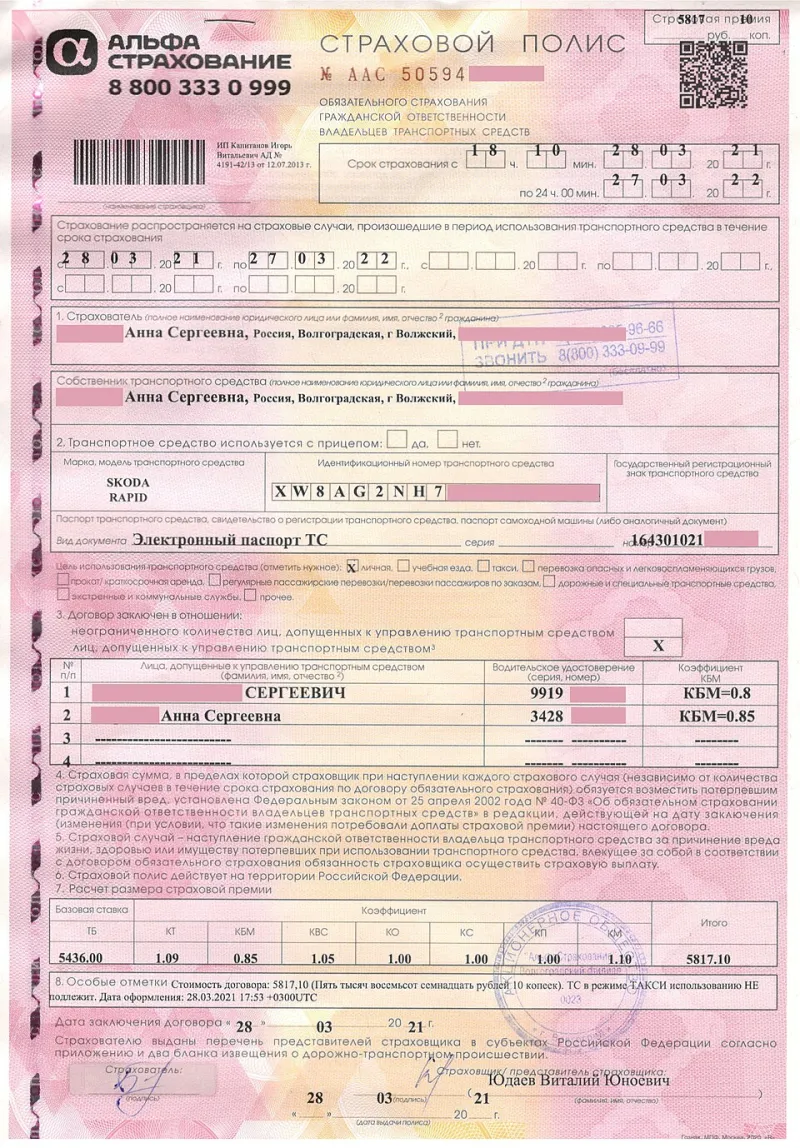
Photo: Q4398124, Goznak, Public domain, via Wikimedia Commons
Insurance is usually treated as a purchase, not a document. The broker arranges it, the renewal arrives, the premium is paid and the policy is filed. The schedule is checked for the sum insured and the rest is left to the small print. That is a missed opportunity. A policy is one of the few documents in a smaller business that records, in writing, what the owner has decided to carry and what has been handed to someone else. It is a governance document in all but name.
The policy describes how the business actually operates
Look past the cover page and the policy contains assumptions about the business. It may require certain security measures, specify who is authorised to act, impose record-keeping duties or require notification of changes. These are not merely conditions of cover. They are statements about how the insurer expects the business to be run if the cover is to respond.
For an owner-manager, the useful question is whether those assumptions still match reality. A policy that assumes all work is carried out at the declared premises is a poor fit for a business that now delivers on client sites. A policy that names a particular individual as authorised to notify claims is a problem if that person has left. The policy is not just a risk transfer; it is a description of the operating model the insurer has priced.
Cover, exclusions and the retained risk
Every policy draws a line. On one side is the risk transferred to the insurer; on the other is the risk retained by the business. The line is drawn by the cover, the exclusions and the conditions. Reading the policy properly means understanding both sides.
The cover section is usually clear enough. The exclusions are where the retained risk sits. Some are standard and expected. Others are specific to the trade and easy to overlook. The point is not to eliminate all exclusions; that is neither possible nor desirable. The point is to know which risks the business has chosen to carry and whether that choice is deliberate.
Notification duties are governance duties
Most policies require the insured to notify circumstances that may give rise to a claim, and to do so promptly. The duty is often broader than owners assume. A letter before action, a regulatory enquiry, a serious near-miss or a change in the business can all trigger a notification obligation. Late notification can prejudice cover.
This is a governance matter because it requires a named person, a route and a record. If the policy requires notification and the business has no process for recognising when notification is due, the cover is weaker than the schedule suggests. The annual read-through should confirm who is responsible, what they must be told and how the notification is evidenced.
Declared values are a statement of fact
Insurance valuations are not merely administrative. A declared turnover, sum insured or wage roll is a representation on which the premium and the cover are based. If the declared figure is wrong, the consequences can range from a reduced payout to a disputed claim.
The discipline is to check the declared values against the actual figures at each renewal. Turnover, payroll, stock, plant and property values all move. Indexation clauses help with some of these, but they do not replace a deliberate check. Underinsurance is rarely dramatic; it accumulates quietly as the business grows.
The annual read-through
An annual policy read-through does not need to be a formal committee. For a smaller firm, it can be an hour with the owner, the person who handles claims and the broker. The agenda is short:
- What is insured, on what basis, and do the declared values match the current figures?
- What is excluded, and which of those exclusions represent a risk the business is knowingly carrying?
- What conditions and warranties apply, and is the business meeting them?
- Who must notify what, to whom, and by when?
- What has changed in the business that the insurer has not been told about?
The output should be a short record: the answers, the gaps and the actions. That record is the evidence that the policy has been read as a governance document rather than filed as a purchase.
Bringing insurance into the board pack
For firms with a board or an advisory group, insurance belongs on the agenda once a year, alongside the risk register and the management accounts. It is not a technical item for the broker alone. The owner is the person who decides which risks to carry, and that decision should be visible.
None of this requires expertise in policy wording. It requires a willingness to read the document as if it were describing the business, because it is. The policy already encodes a set of decisions. The annual read-through is how the owner confirms that those decisions are still the ones they would make today.